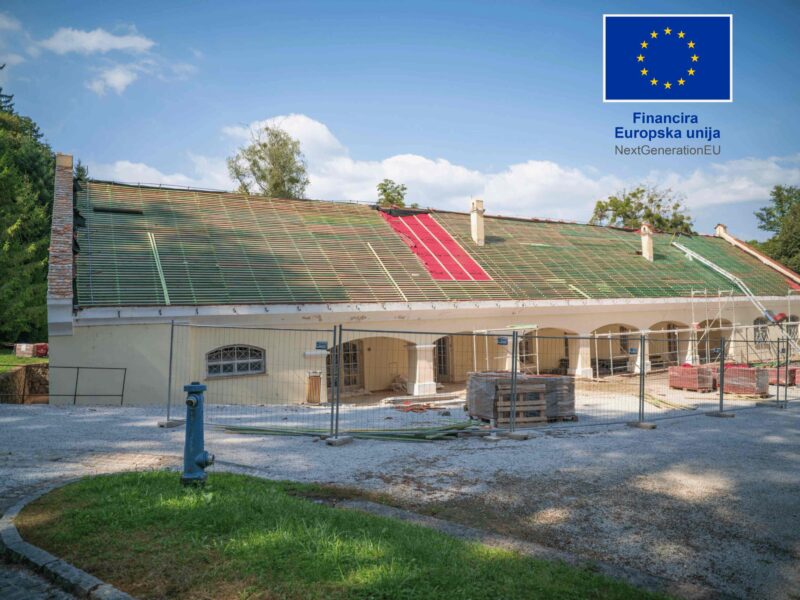
Energy renovation of Trakošćan Castle’s ancillary building
Project duration: 1.04.2023. – 1.02.2026. The energy renovation of Trakošćan Castle’s ancillary...
Project budget (ERDF funds): EUR 14.336,00
Project duration: 1st April – 31st October 2025
Project partners: Trakošćan Castle, Posavje Museum Brežice
Joint challenge:
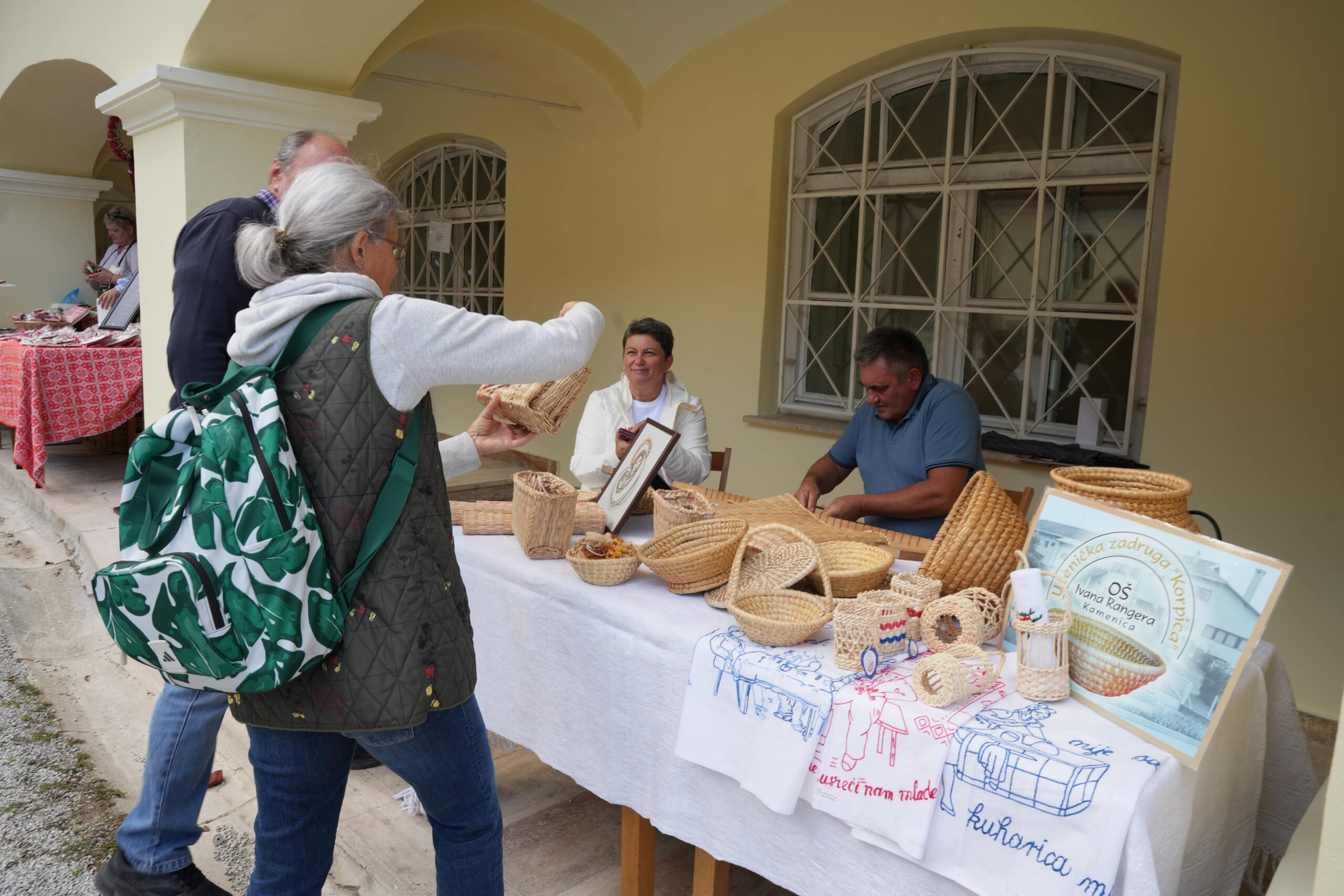
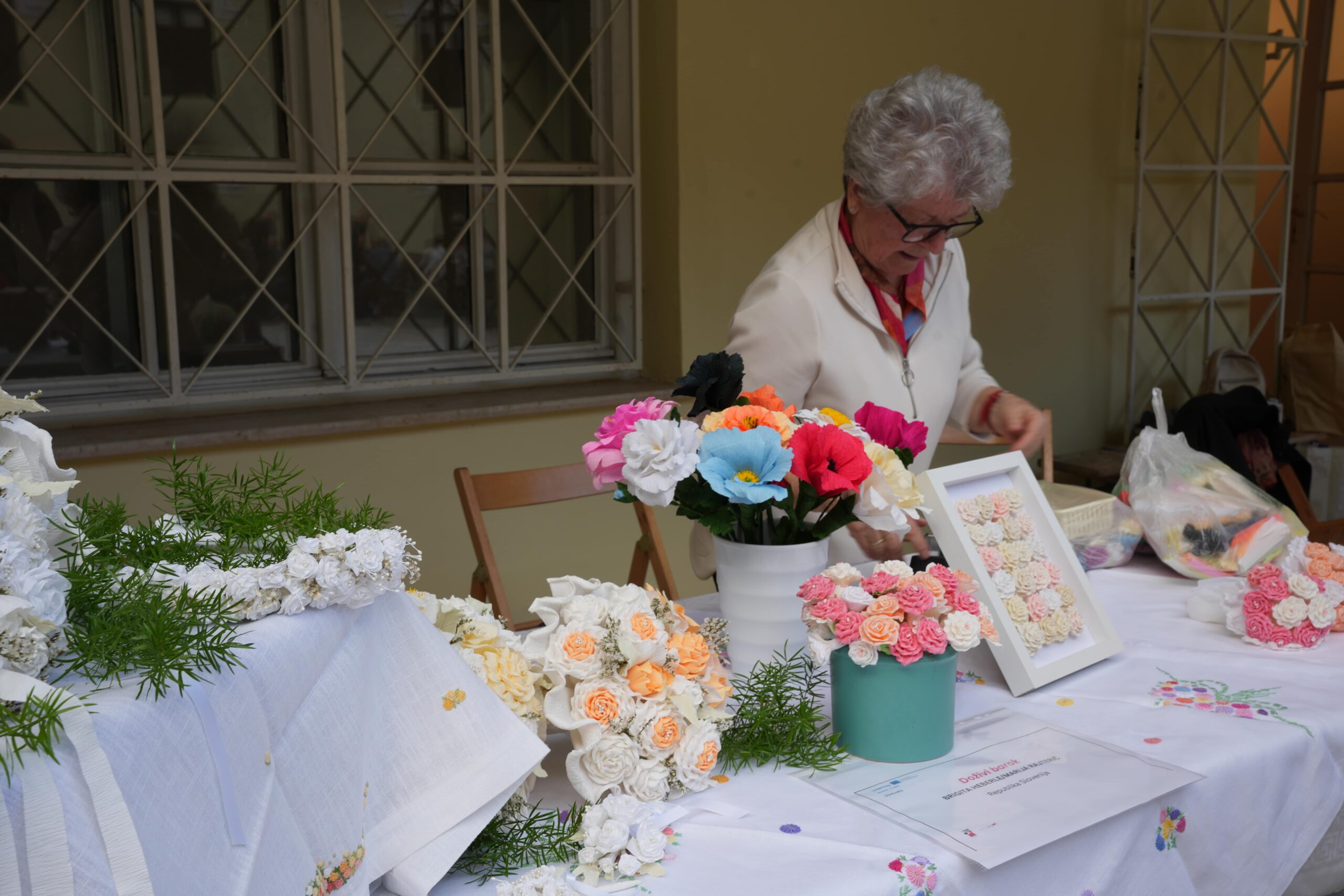
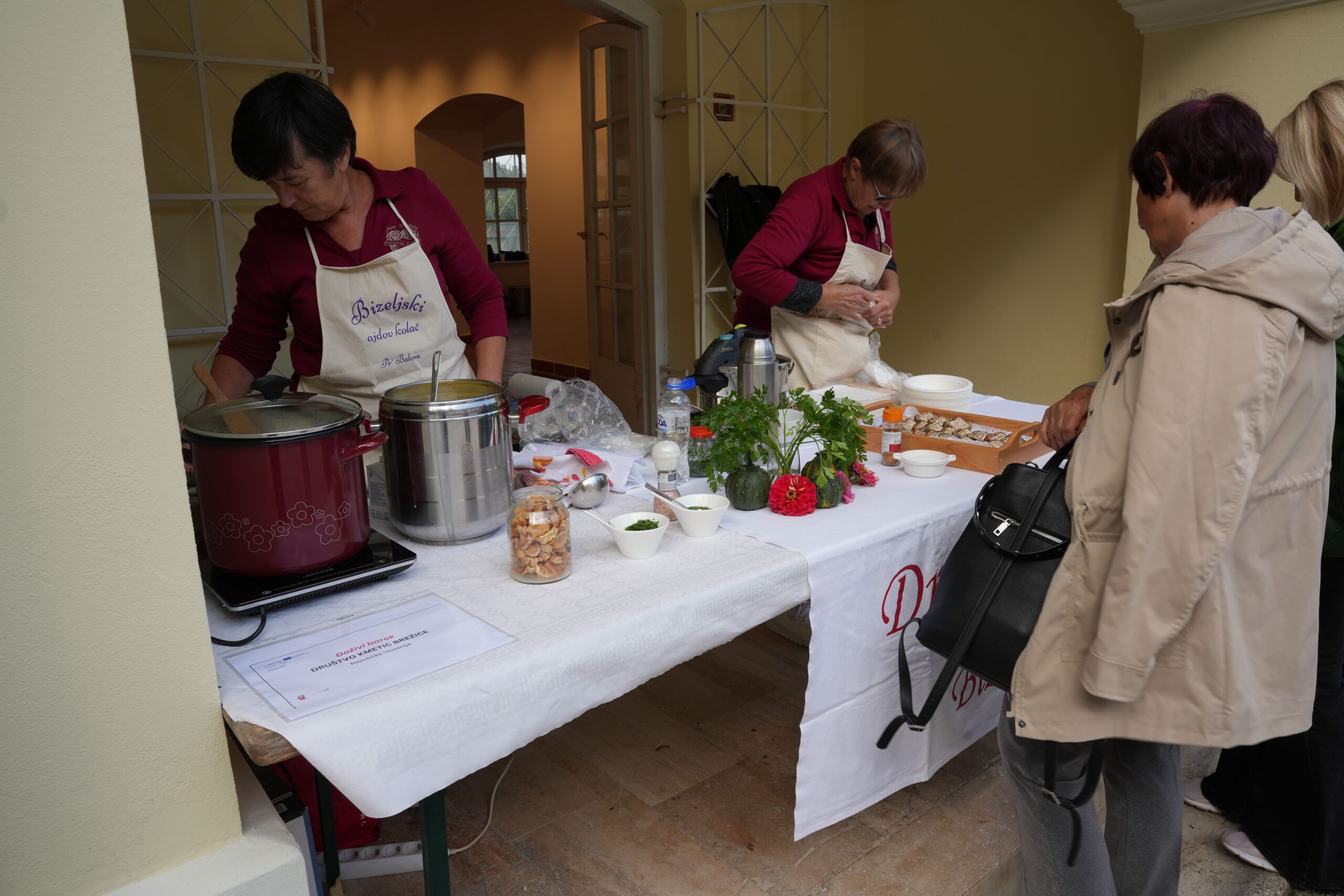
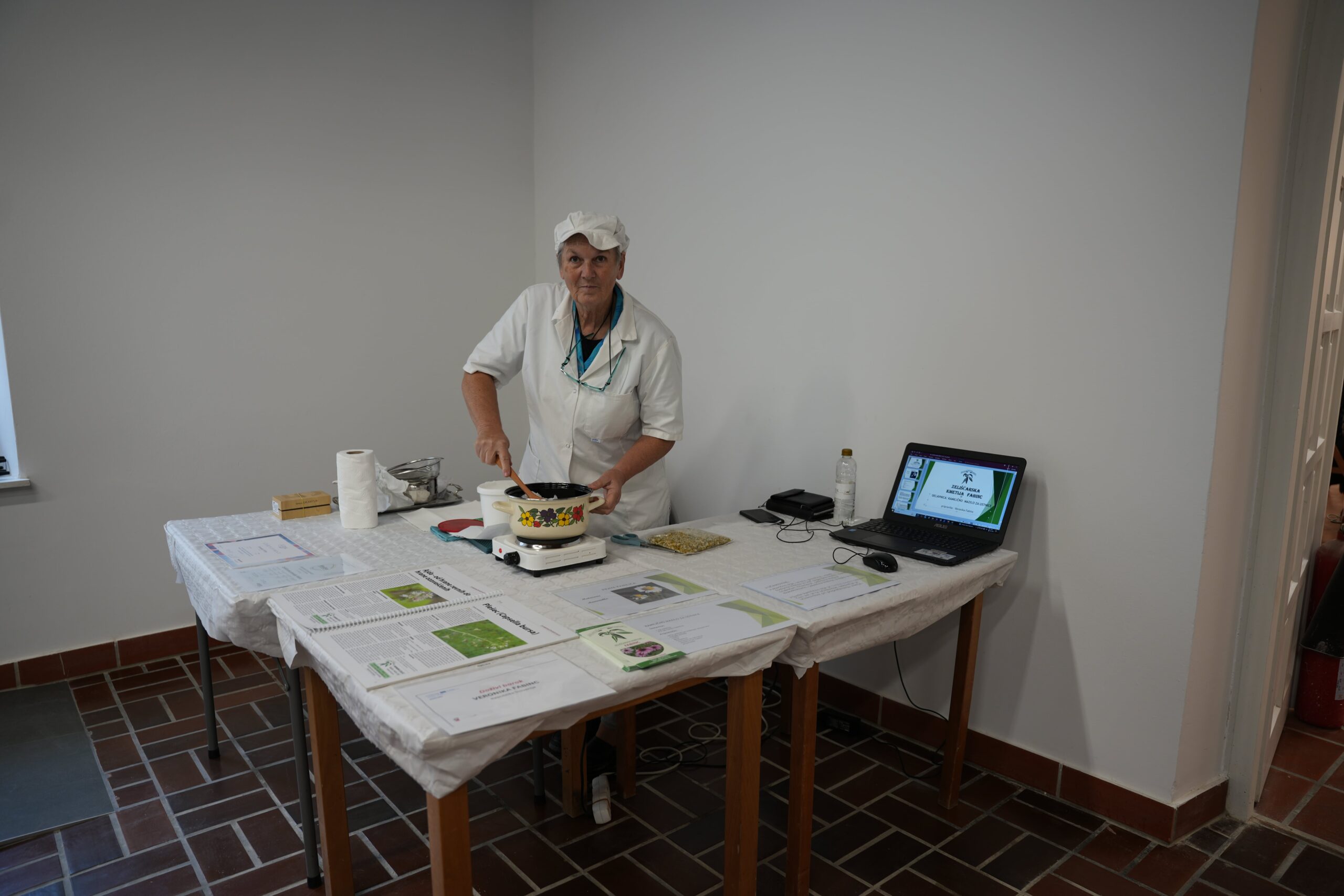
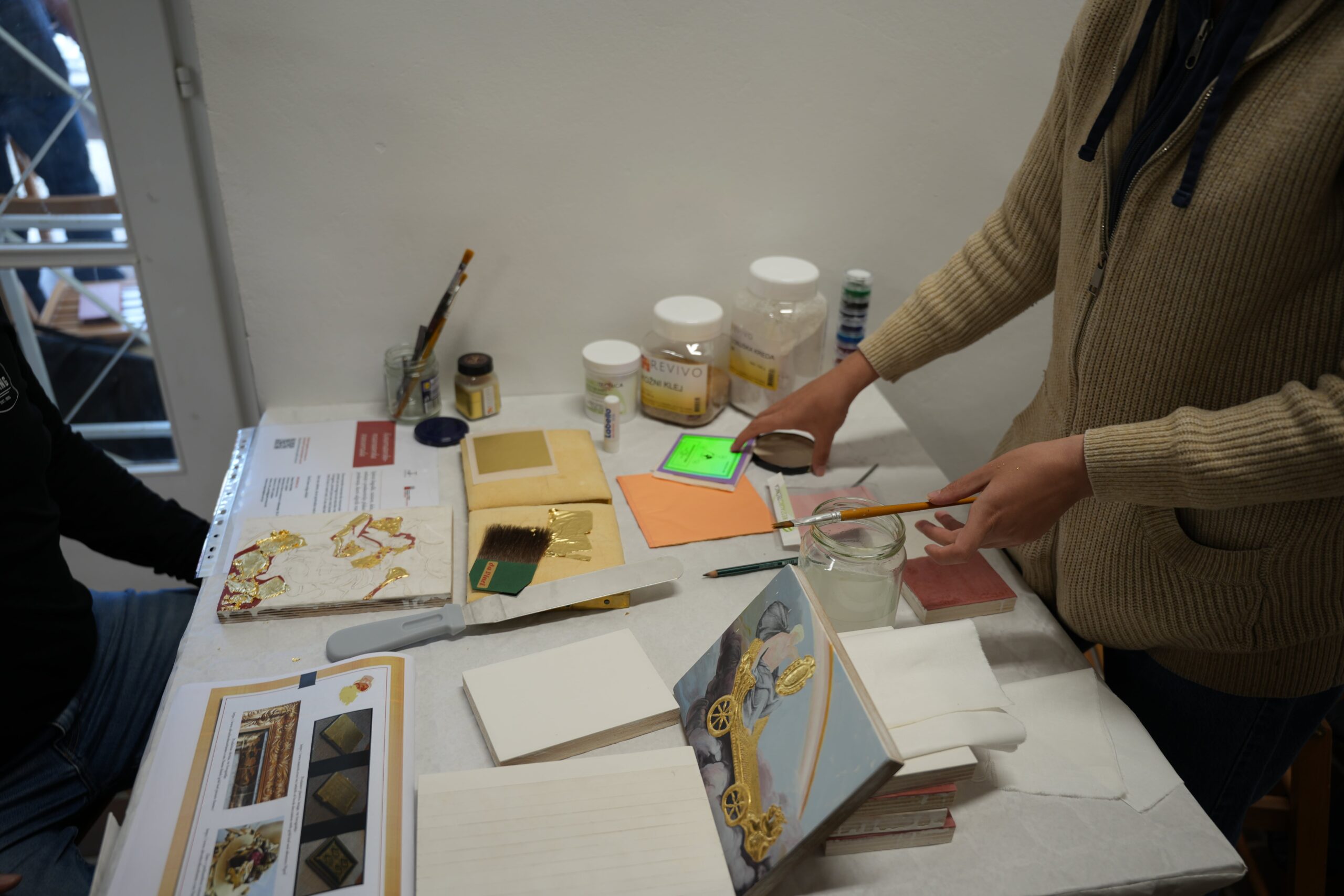
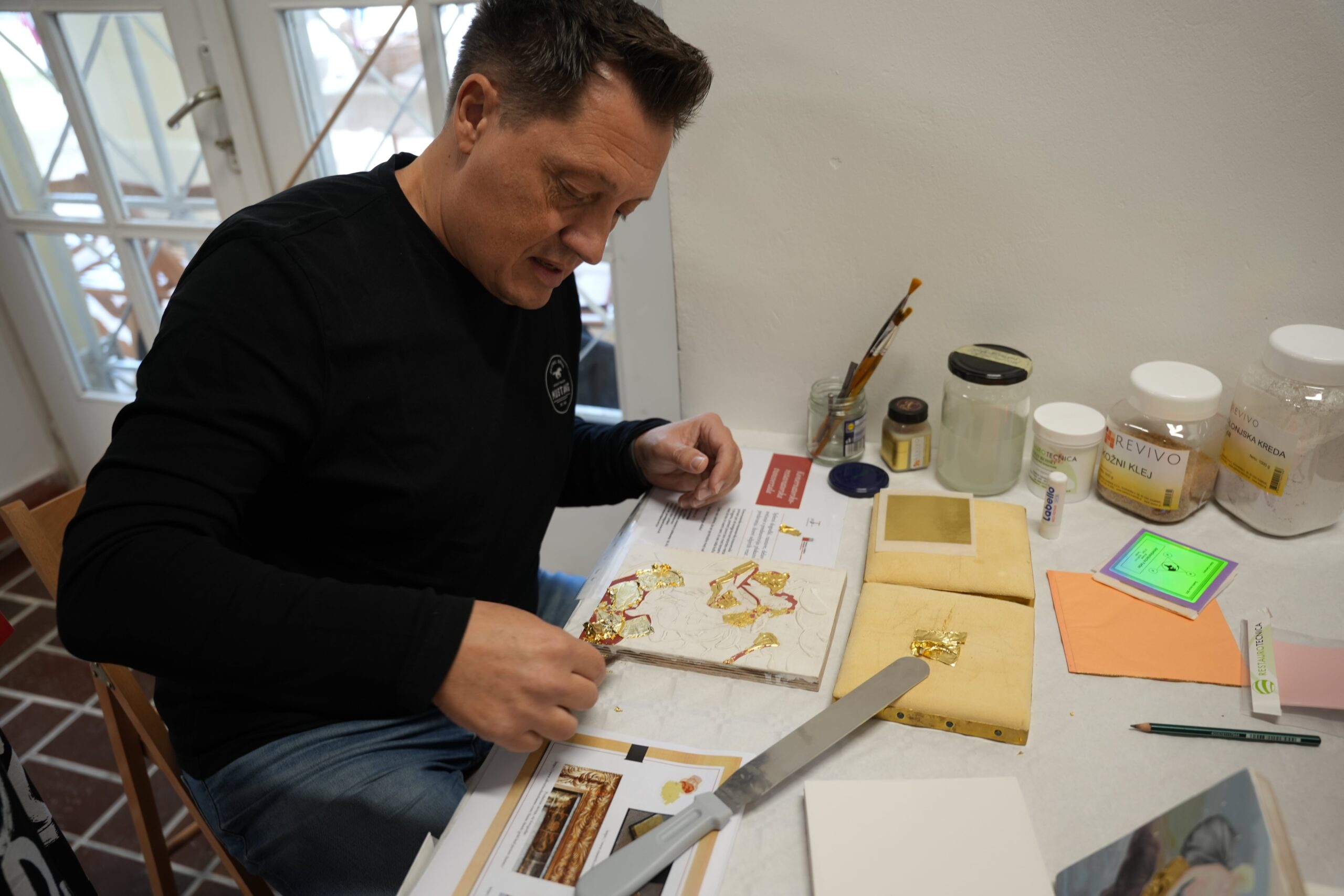
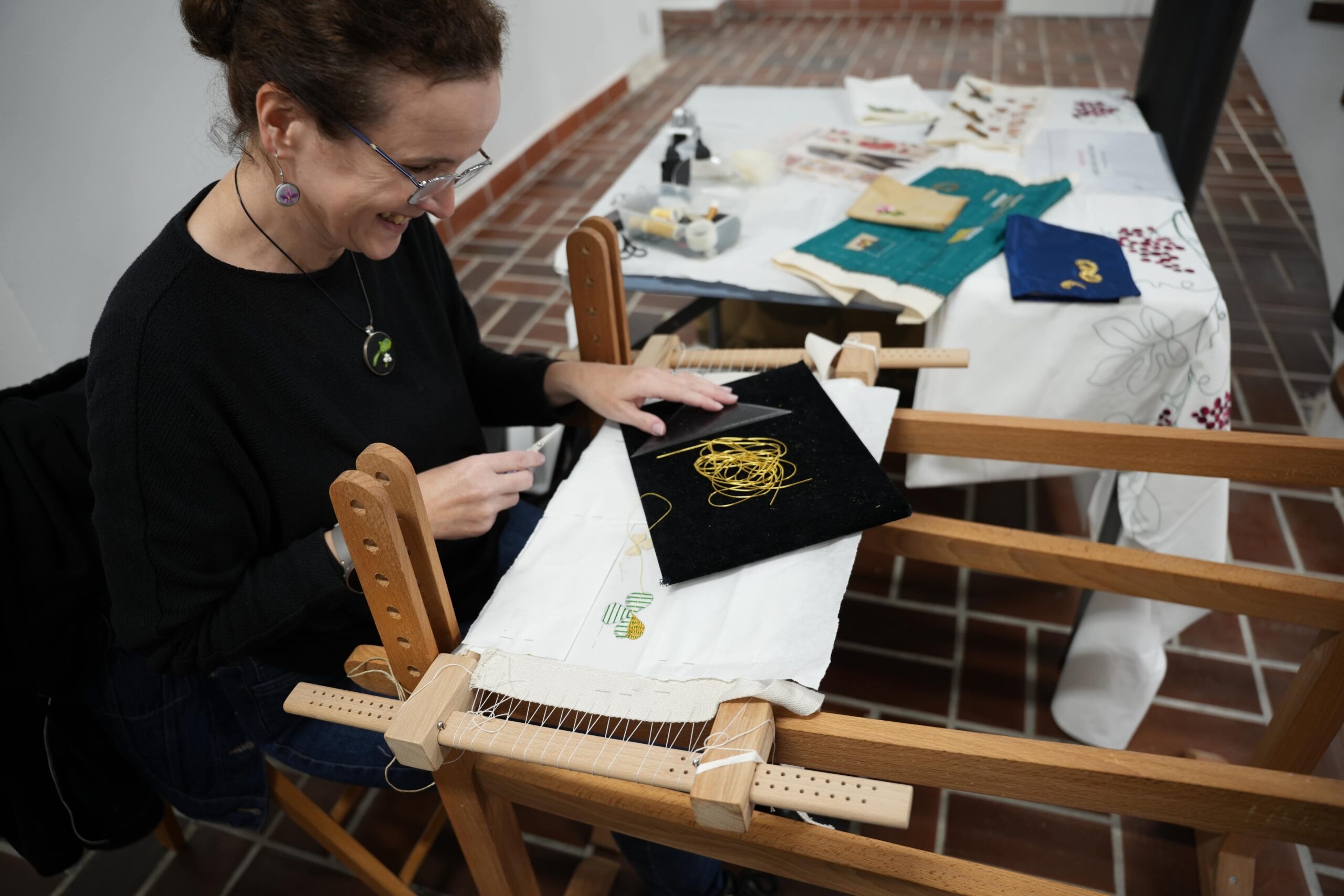
The border regions of Slovenia and Croatia have nurtured and still nurture similar forms of various cultural and craft traditions. The old crafts are almost identical and differ from each other only in techniques or the use of various materials. In the past, numerous handicrafts throughout the area played an important economic and social role for the local population, although today, fewer and fewer people are engaged in certain handicrafts, and young people show no interest in them.
The modern age and its lifestyle have called into question the survival of intangible cultural heritage. New media and ways of life are often focused on the future while forgetting the importance of the past. This approach has led to many customs slowly fading away today. As intangible heritage is passed down from generation to generation, involving the local population is a very important factor for the survival of tradition. It is precisely individuals who, with the cooperation of cultural organisations, can revive the spirit of the past and strengthen the sense of cultural identity of the individual and society. Therefore, it is essential to preserve and further transmit cultural heritage to future generations so that they can, in turn, pass on this knowledge to the generations who are yet to come.
Accordingly, the project will directly contribute to addressing three challenges:
Main goal:
Through joint cooperation and knowledge transfer, contribute to the preservation of traditional skills and crafts that are fading away and enhance the quality of life of the population in smaller communities on both sides of the border by creating a sense of community and encouraging the population to share and cherish handicrafts. This will, in turn, deepen mutual trust and understanding among residents and strengthen the connection between them, as well as improve cooperation between the project partners.
Main outcomes:
The implementation of the project activities will generate the following outcomes:
– An established cross-border cooperation and connected citizenry through the transfer of knowledge and skills in the field of cultural heritage preservation
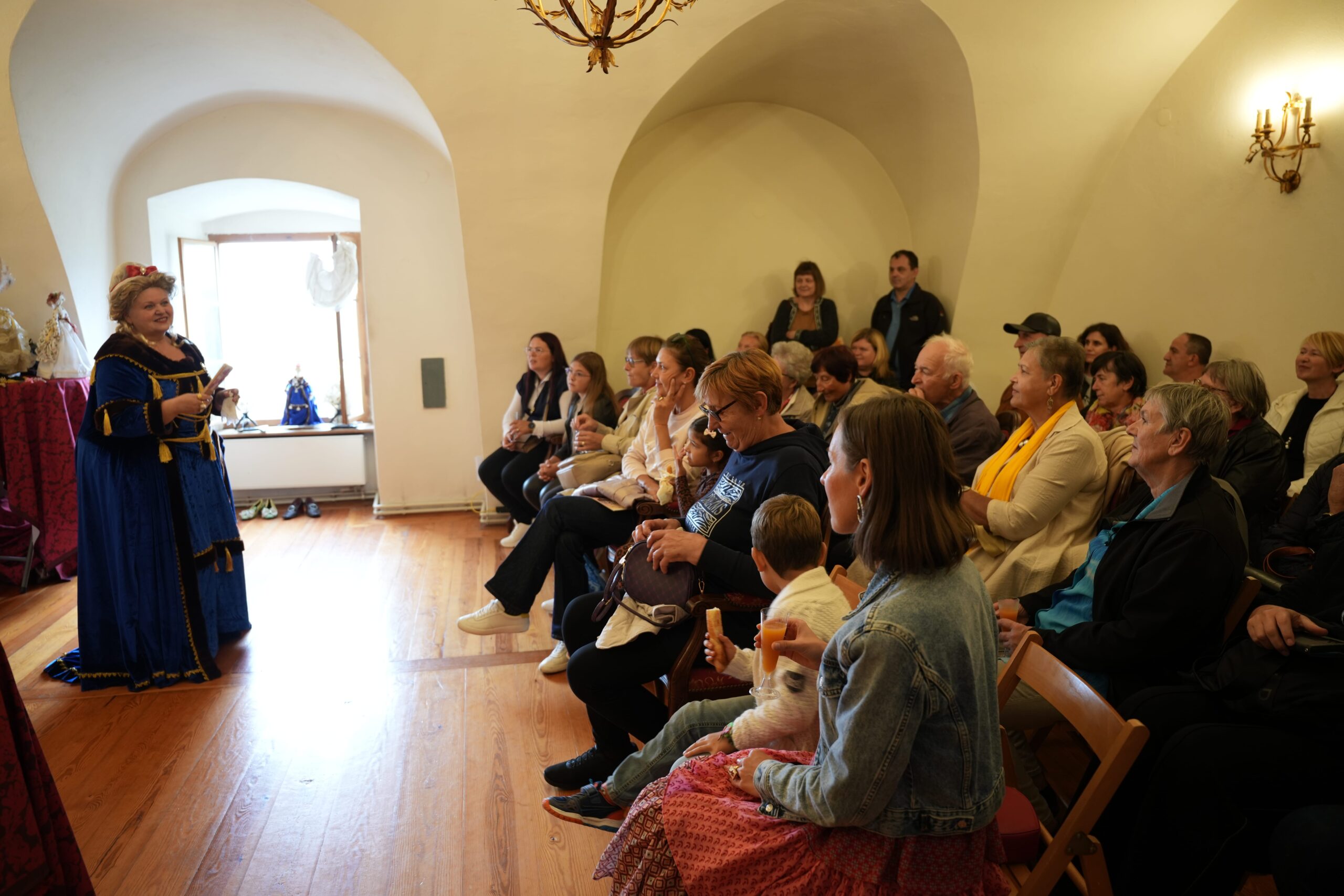
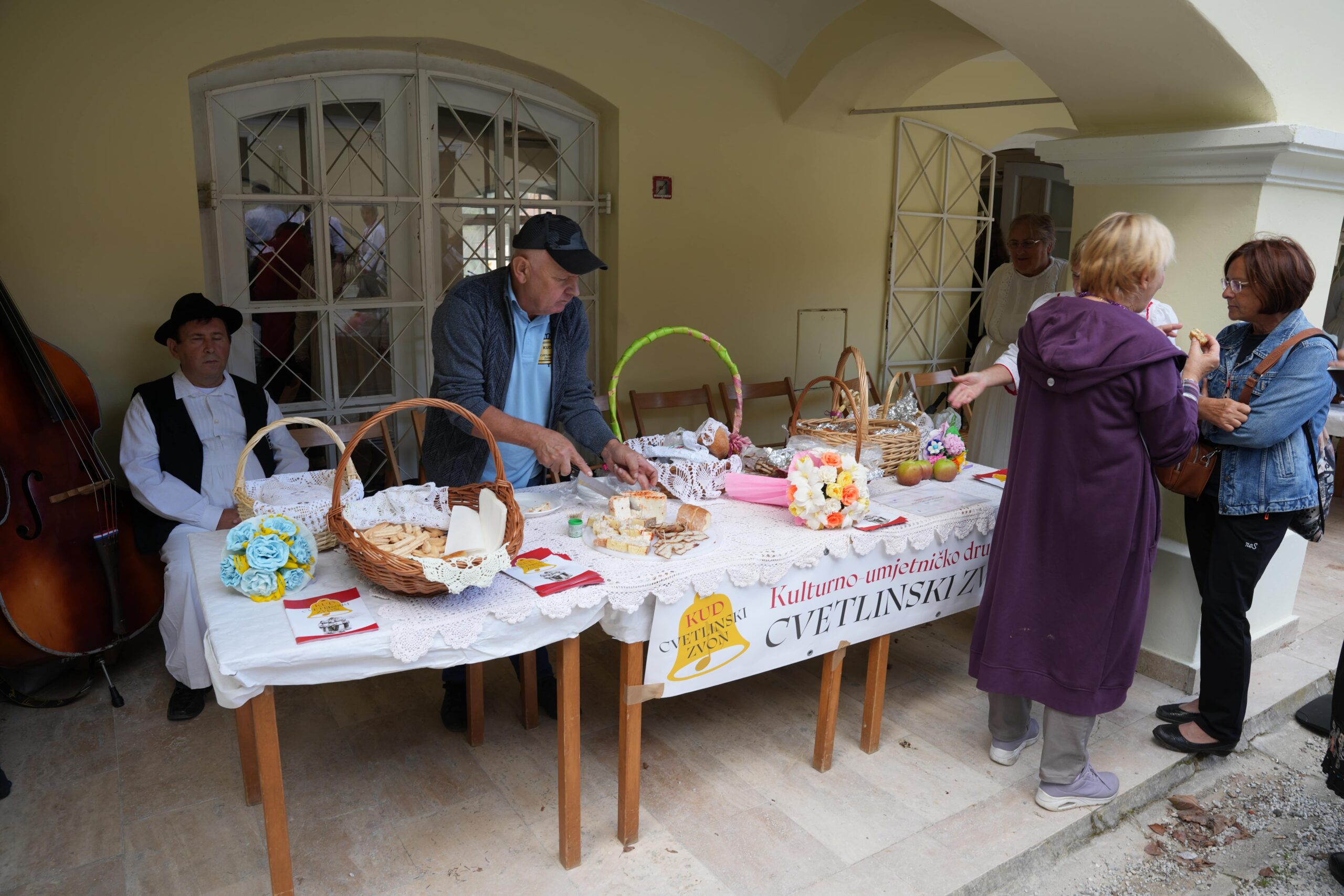
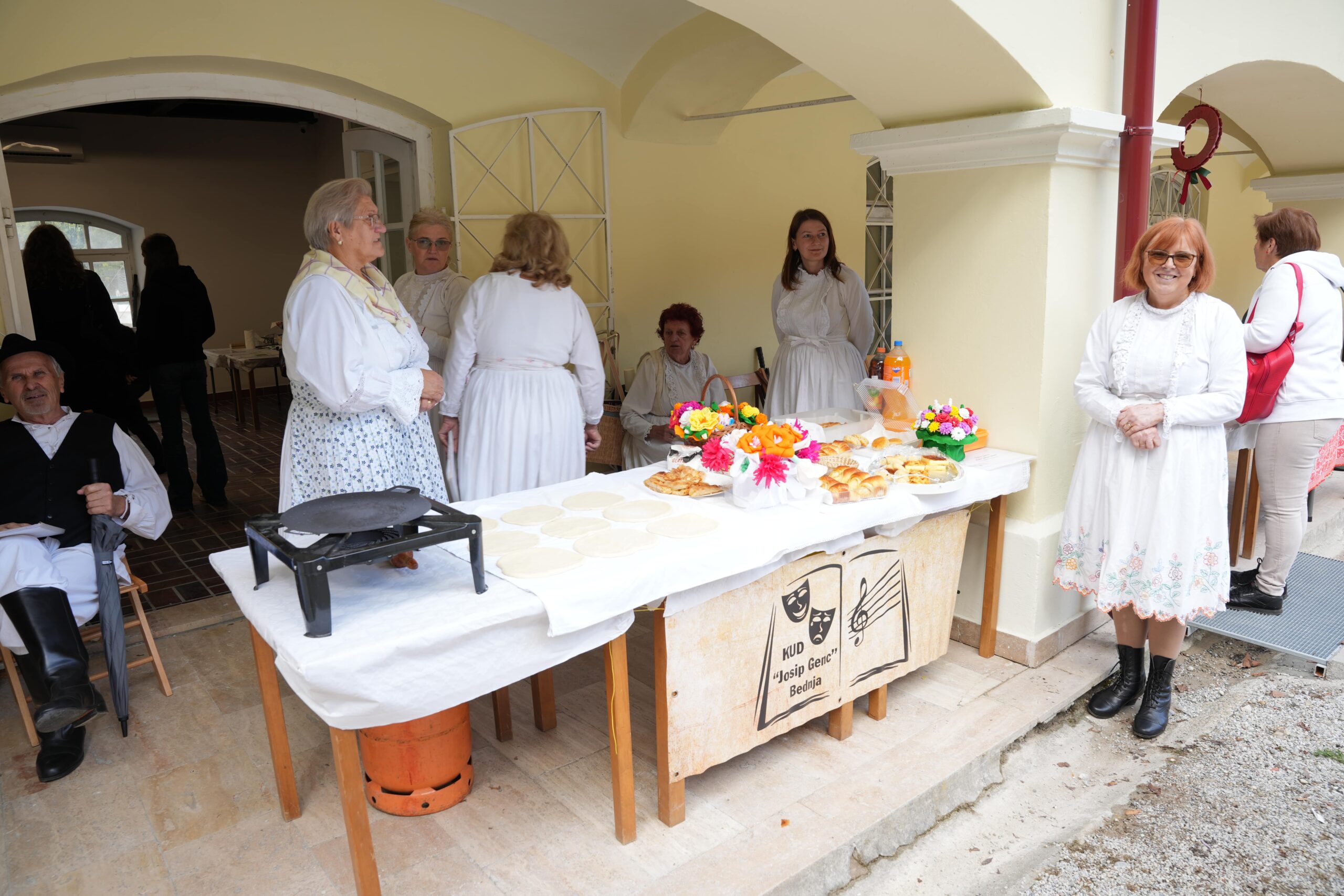
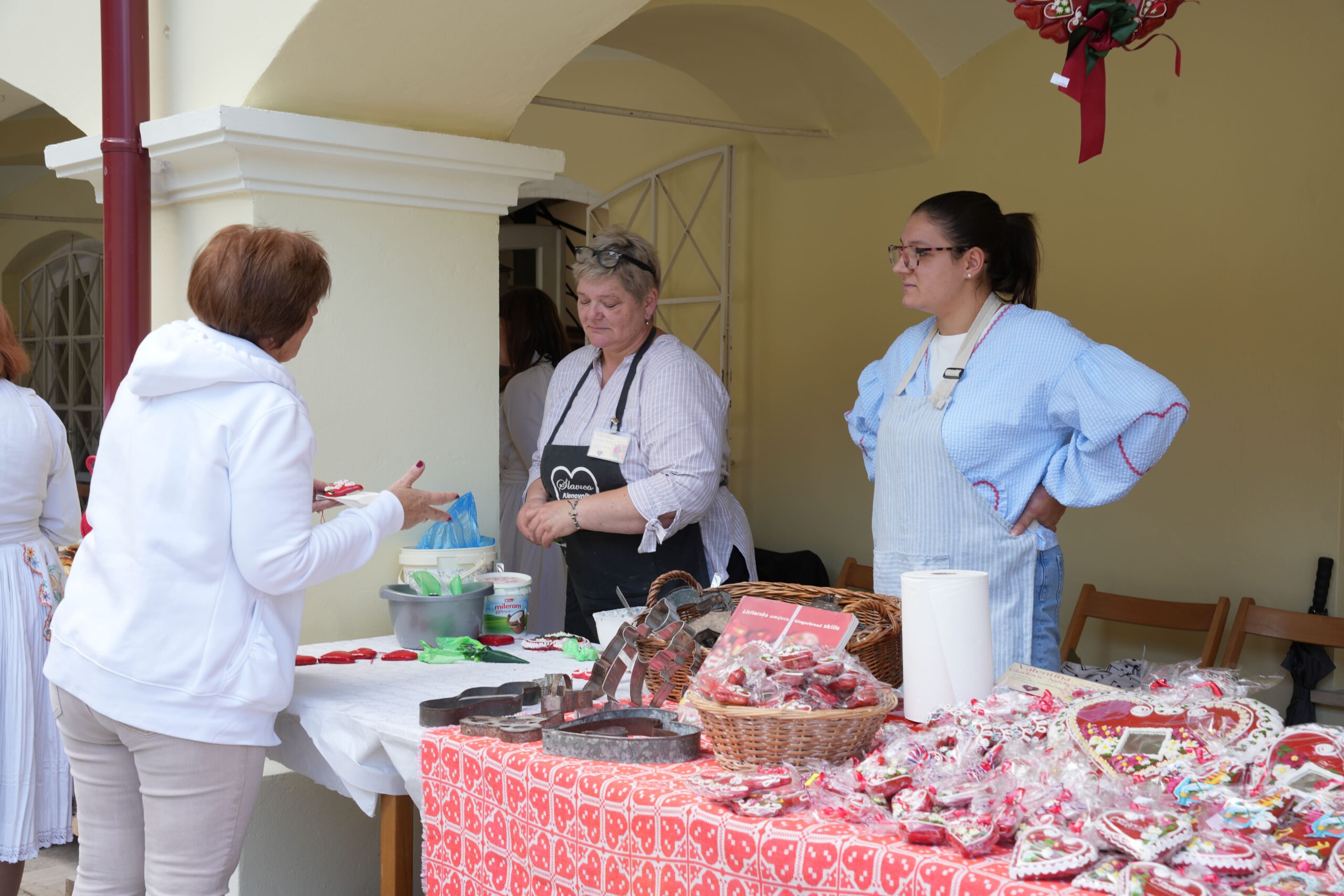
– Jointly organised cross-border events for children, young people, families and older people, aimed at promoting contact and increasing connection and interaction among people on both sides of the border.
The combination of the planned outcomes will result in a contribution to the preservation of traditional skills and crafts through intergenerational learning about the importance of cultural heritage and the richness of the cross-border region, significant for the preservation of cultural heritage and increasing the quality of life of the population on both sides of the border.
Experience the Castle’s History
You can purchase entry tickets at the museum’s reception upon arrival.
Ticket prices